
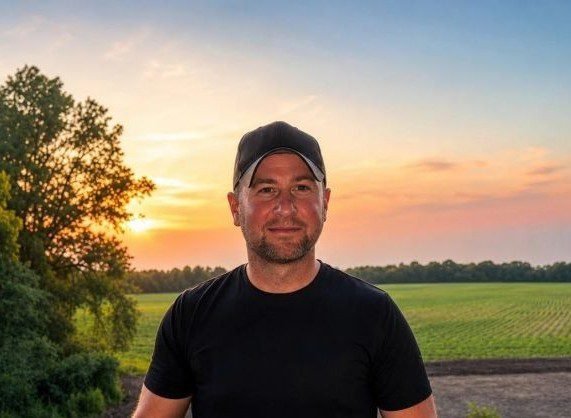
A Life Built on the Front Lines
Alan Merrick has spent the better part of his adult life in rooms most people never enter. Homeless shelters at two in the morning. Living rooms where something has gone terribly wrong. Hospital waiting areas with people waiting for news they are not ready to receive.
He did not set out to write a book. He set out to do the job. The book came from what the job showed him.
A Life Built on the Front Lines
Alan was born and raised in Central New York, where he still lives with his family. After earning his Associate’s Degree in Human Services from Finger Lakes Community College and SUNY IT, he began his career at the Rescue Mission in 2009. For seven years he worked in the homeless shelter and drug and alcohol rehabilitation program, sitting alongside people in the depths of addiction, mental illness, poverty, and broken family systems.
In 2016 he transitioned into law enforcement, joining his local police department where he currently serves as a Police Officer on midnight patrol. He is a ten-year veteran of the force. He continues to volunteer monthly at the Rescue Mission, speaking in chapel services for the same community he has served for over fifteen years.
Why Alan Wrote This Book
Alan wrote There on Your Worst Day because he believes the people showing up to the worst moments of strangers’ lives deserve to be understood, not just thanked. And he believes the people living inside those moments deserve to be seen, not just pitied.
Over a decade of calls left him with stories he could not stop carrying. Stories about grief, addiction, mental illness, resilience, and the strange, dark humor that keeps first responders moving from one call to the next. He wrote them down so that others could understand what those worlds actually look like up close.

His Mission
Alan’s mission is simple: reach people. Through his writing, his speaking, and his continued presence in the community, he believes that honest storytelling can do what statistics and headlines cannot. It can make someone feel less alone. It can shift how a person sees their neighbor, their city, or themselves.
He is not trying to build a movement. He is trying to have an impact, one reader, one audience, one conversation at a time. Whether that happens through a book, a chapel service, or a speaking stage, the goal is always the same. Leave people better than you found them.
My Values
Forgiveness
A recurring theme in his work and in his life. Alan has found that letting go is not a weakness. It is the only thing that keeps you from becoming what you fight against.
Compassion
Years of working alongside people in crisis taught Alan that most people are not problems to be solved. They are human beings carrying more than most people ever see.
Community
Alan has never stopped showing up. From the shelter to the streets to the chapel, service is not something he does. It is who he is.
Honesty
He does not write to look good. He writes to tell the truth about what the job is, what people are, and what it costs to keep showing up.